Website vs Facebook Page: What Your Rwanda Business Really Needs
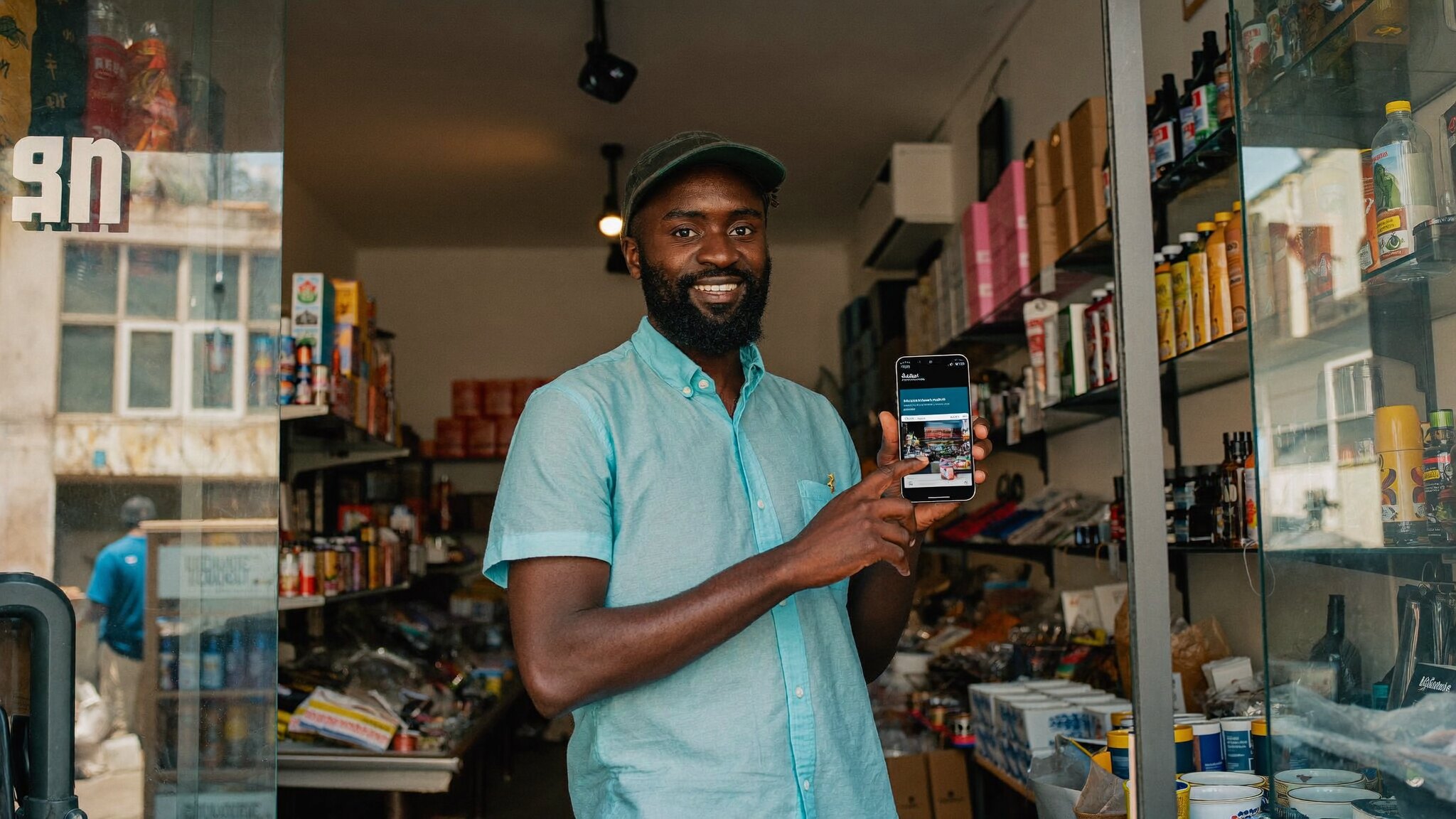
A Facebook page gets you seen. A website is what makes you a business people trust — and pay.
Walk through any market in Kigali and ask shop owners where customers find them online. Nine out of ten will say "Facebook" or "Instagram". And it works — until it doesn't. The page that brings you sales today can vanish tomorrow, get locked for no reason, or simply stop reaching people because an algorithm in California changed its mind. So here's the question worth answering honestly: is a Facebook page enough, or does your Rwandan business actually need a website? Let's settle it.
The one difference that changes everything: ownership
Think of a Facebook page as a stall you rent inside someone else's market. It's busy, it's convenient, and you didn't have to build the market yourself. But you don't own the stall. The landlord — Meta — sets the rules, decides who sees your stall, can raise the "rent" (ads) whenever it likes, and can shut you down without warning or explanation. Many Rwandan owners have woken up to a "page restricted" message and lost years of followers overnight, with no one to call.
A website is land you own. Your domain (yourbusiness.rw or .com), your design, your customer list, your rules. No algorithm decides whether your customers see your homepage. No sudden lock-out. It's the one piece of your online presence that genuinely belongs to you — and that single fact is why it matters more than it first appears.
Rented land vs land you own
Head to head: where each one wins
This isn't about Facebook being "bad". It's about using each tool for what it's good at. Here's the honest scorecard for a Rwandan business.
| What matters | Facebook Page | Website |
|---|---|---|
| Quick to set up & free | Yes | Costs to build |
| You own it | No — Meta does | Yes |
| Found when people Google you | Weak | Strong |
| Looks fully professional | Looks informal | Yes |
| MoMo / card checkout | No | Built in |
| Reach without paying for ads | Shrinking | Free organic traffic |
| Reaches people already on social | Yes | Not directly |
Read down the list and the pattern is clear: Facebook is excellent at attention, and a website is excellent at everything that turns attention into a paying customer.
Three moments a Facebook page quietly costs you
- The customer who Googles you. Someone hears about your business and searches your name on Google. With only a Facebook page, you barely show up — and a half-empty search result makes a real business look doubtful. A website owns that first impression. (Here's how to rank #1 on Google in Rwanda.)
- The day the page gets locked. Meta restricts pages by the thousand, often by mistake. If your whole business lives there, your whole business stops. A website keeps trading no matter what happens to your social accounts.
- The bigger client who wants to "check you out". Corporate buyers, NGOs and government tenders expect a real website and a branded email. A Facebook-only business often gets quietly screened out before the conversation even starts.
Reality check: your Facebook followers are not your customer list. If your page disappeared today, could you still reach the people who buy from you? With a website and the emails or numbers it collects, the answer is yes.
"But a Facebook page is free" — the hidden cost of free
It's the most common objection, and it's a fair one: a Facebook page costs nothing to open, while a website costs money to build. But "free" hides a bill you pay in other ways. To reliably reach your own followers, Facebook increasingly nudges you to boost posts — that's rent, paid again and again, just to talk to people who already chose to follow you. The day you stop paying, your reach quietly collapses.
A website has the opposite shape: a one-time build, then years of free organic traffic from Google arriving while you sleep. One is a cost that never ends; the other is an asset that compounds. And it's far more affordable than most Kigali owners assume — we break the tiers down honestly in our guide to how much a website costs in Rwanda. So the real question isn't "can I afford a website?" — it's "how much is renting my audience costing me every single month?"
The answer isn't "either/or" — it's "both, in the right order"
Don't delete your Facebook page. It's one of the best discovery tools you have in Rwanda, and it's free. The mistake is making it the foundation of your business instead of a doorway to it. Flip the relationship:
- Use Facebook, Instagram and TikTok to get attention and start conversations.
- Send every one of those people to your website, where they can browse, trust you, and pay.
- Pair it with WhatsApp for the personal touch Rwandan customers love — we cover that combination in how WhatsApp Business + a website can double your Kigali sales.
Social media rents you a crowd. Your website turns that crowd into a business you control. If you're still weighing whether it's worth it, our piece on why Kigali businesses lose customers without a website lays out exactly what's at stake.
The bottom line: a Facebook page is rented land — great for foot traffic, owned by someone else. A website is land you own — found on Google, built for trust, ready to take payment. Keep the page, build the site, and connect the two. That's what a serious Rwandan business needs in 2026.
Build the home your business actually owns
Frame Africana builds bold, fast websites for Rwandan businesses — designed to turn your Facebook and Instagram followers into paying customers. Tell us about your business on WhatsApp — we reply within hours.
Chat with Frame Africana on WhatsApp →