5 Reasons Your Kigali Business Is Losing Customers Without a Website
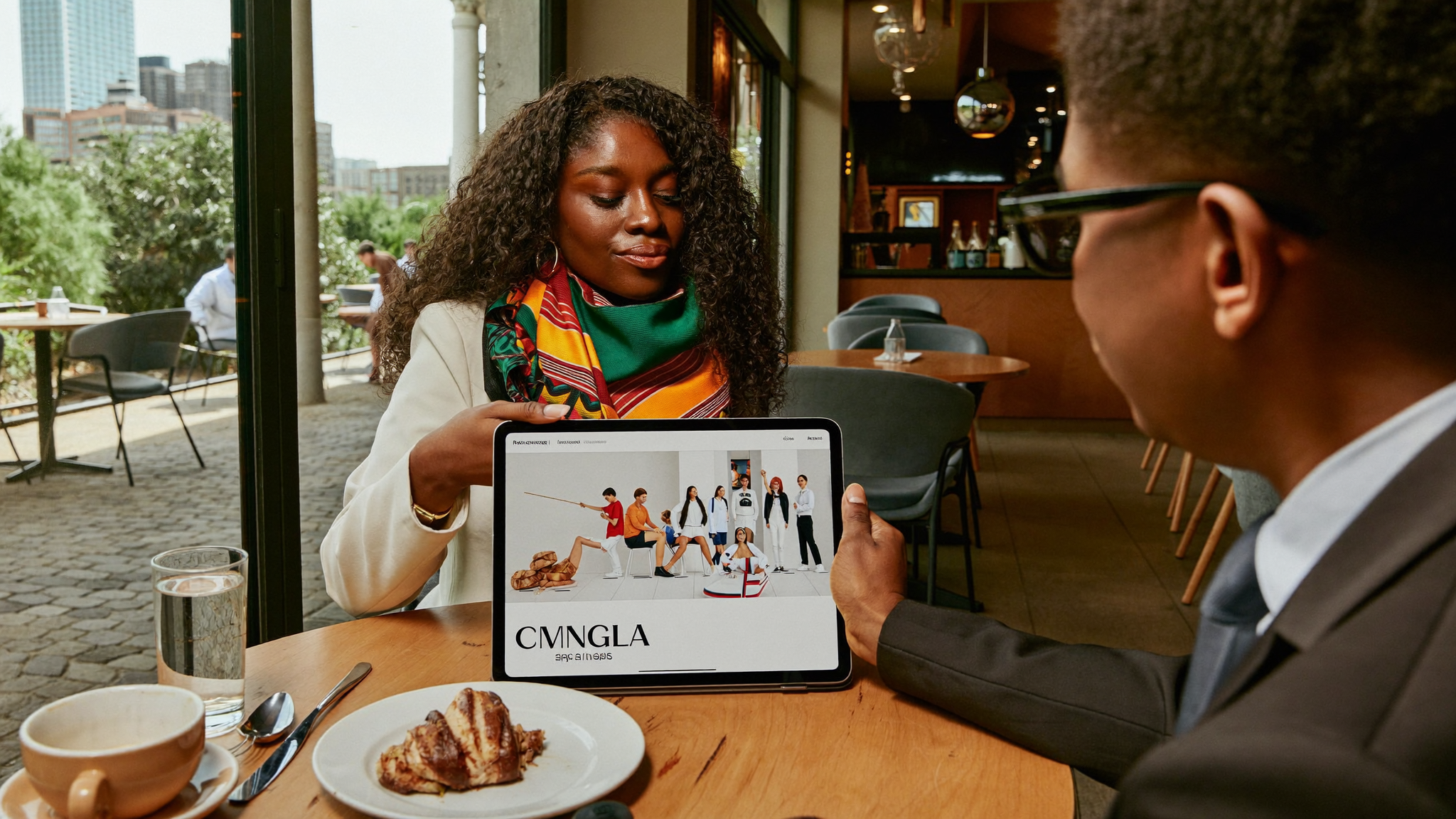
In Kigali, the customer search now starts on a phone — not at your door.
Picture a customer in Nyarutarama who needs exactly what you sell. They pull out their phone, search, and tap the first credible business that appears. If that business is not you, it is your competitor — and you never even knew the customer existed. This is how businesses in Kigali quietly lose sales every single day: not to better products, but to better visibility. Here are five concrete reasons a professional website matters more than ever for a Rwandan business in 2025.
How Rwandans go online
Customers search for you on Google first
Before anyone calls or visits, they search. "Plumber near me," "best coffee Kigali," "graphic designer Rwanda." If you have no website, you simply do not appear — and a business that does shows up in your place. A website is your entry ticket to being found at the exact moment someone is ready to buy.
A website is instant credibility
A social media page alone can look temporary or unofficial. A real website with your own domain — yourbusiness.com — signals that you are established, serious, and here to stay. For larger contracts, NGOs, and corporate clients, "Do you have a website?" is often the first qualifying question. Without one, you are filtered out before the conversation even starts.
Your customers live on mobile — and you're invisible there
Nearly all internet browsing in Rwanda happens on smartphones. A fast, mobile-first website lets a customer find your hours, see your work, and message you on WhatsApp in seconds. No website means that same customer is stuck guessing — or, more likely, tapping a competitor who made it easy.
Trust is built with proof, not promises
A website lets you show, not just tell: real photos of your work, genuine customer testimonials, your location, and clear pricing. That transparency turns a hesitant first-time visitor into a paying customer. Competitors who display this proof win the trust — and the sale — that you could have had.
A website sells while you sleep
Your shop closes; your website never does. It answers questions, captures enquiries through a contact form, takes bookings, and even accepts MoMo payments at 2 a.m. on a Sunday. Every hour you are offline, a website keeps working — turning curious late-night searchers into tomorrow's customers.
"But I already have a Facebook page" — and other myths
Many Kigali owners feel they are already online because they post on Facebook, Instagram, or WhatsApp. Social media is valuable — but it is rented land, not owned property. Here is why it is not a substitute for a website:
- You don't control it. A platform can change its rules, limit who sees your posts, or suspend your account overnight. Your website is yours, permanently.
- It's not built to sell. A social feed buries your prices, services, and contact details under endless posts. A website puts exactly what a buyer needs one tap away.
- It rarely shows up on Google. When someone searches "your service Kigali," a Facebook page seldom ranks well. A proper website is built to be found in search.
- It looks less established. Serious clients, partners, and tenders expect a real domain — yourbusiness.com — not just a social handle.
The smart move is to use both together: social media to reach people at the top of the funnel, and your website to convert them. Your posts drive curious people to a home base you fully control, where they can see your work, trust you, and pay you.
"My business is mostly offline — do I really need one?"
Yes — arguably more than ever. Even businesses that sell entirely in person lose customers in the research phase. Before someone visits your restaurant, salon, or shop, they check online to see your menu, prices, photos, and whether you look reputable. A salon in Kimironko with no website loses the customer who searched at lunchtime to one whose gallery and hours appeared instantly. Your website doesn't replace your physical business — it feeds it.
The real cost of waiting
Here is the uncomfortable truth: not having a website is not free. Its cost is simply hidden — paid in the customers who searched, didn't find you, and bought elsewhere. That cost compounds every month you delay. Meanwhile, the barrier to getting started has never been lower. A professional, mobile-first site no longer takes months or millions of francs; a focused launch site can be live in 72 hours and pay for itself with a single new client.
You don't need everything at once. Start with a clean one-to-three-page site that establishes credibility and captures enquiries. Add a blog, online store, or MoMo checkout later as you grow. The important step is being findable today.
What a good website actually does for you
A well-built website is not a digital brochure that sits still. It works as your hardest-working salesperson: it gets found on Google, looks flawless on a phone, proves you are trustworthy, and converts visitors into messages, bookings, and sales. If you want to see what that looks like in practice for a Rwandan business, explore our approach to web design in Kigali, or browse real projects in the Frame Africana portfolio.
Book a Free Website Consultation
Fifteen minutes on WhatsApp. We'll look at how customers find you today and show you exactly what a website would change — with a fixed quote, no pressure.
Book a Free Consultation on WhatsApp →